
Overview
Embedded across all our sectoral and regional priorities are enabling programmes which increase the longevity of our impact. This work happens within the organisation, as well as externally as we extend learning and support to partners, engaging in opportunities to help strengthen the work of the wider sector.
Ecosystem development
As the world’s problems become increasingly complex, we need to support the resilience of organisations and champion solutions which cut across sectors. As a global philanthropy, we recognise that any progress we intend to make must be done in collaboration with others, and therefore across all of our work, enabling organisations to work together is essential.
A key tenet of our ecosystem approach is to help share learnings across different areas of work and different geographies. For example, we supported the European Climate Foundation to strengthen its partnerships with other organisations in Europe, improving collaboration through sharing tools and expertise.
Similarly, in Africa, our Ecosystem Development team, in collaboration with other funders, implementing partners and technical experts, hosted a high-level dialogue in Nairobi, Kenya. This event was the result of several months of work mapping the African ecosystem of partners across areas including child health and nutrition, neglected tropical diseases and girls’ education. Together, we identified ecosystem gaps, prioritised high-impact interventions, and defined where CIFF and other philanthropies can deliver the most value.
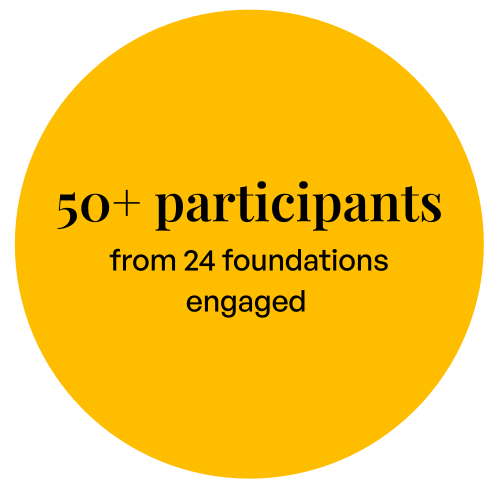
The gender and climate nexus is another example where there are strong opportunities to better collectively join up the dots, as climate change increasingly exacerbates gender inequalities and heightens risks to health, safety and security for women and girls around the world. In 2025, CIFF co-convened a Climate and Gender Funder Community, engaging more than 50 participants from 24 foundations to break down silos, share learnings and define common priorities. This work identified key areas for collaboration, including green jobs and just transitions, land rights and sustainable agriculture, adaptation and resilience, women’s leadership, and the information ecosystem.

Development finance
Across all our work, partners are operating in an increasingly shrinking fiscal space. Governments are feeling greater pressures on what to prioritise and essential development needs are either critically underfunded or dropped from agendas. With a year marked by government rollbacks on Overseas Development Assistance (ODA), it has only become more urgent to find and scale new and innovative ways to generate financing to create a world that is safer, healthier and more prosperous for children.
In 2025, CIFF worked to support the development and rollout of Country Investment Platforms, which demonstrate the success of country-owned and led instruments for advancing sustainable development. South Africa, Nigeria, Rwanda, Togo, Bangladesh, Vietnam and the Caribbean region all either launched or announced their plans to launch new platforms throughout the year. These platforms are a way for governments to align national and international finance at scale behind country-led plans and ambitions to deliver climate, nature and development goals.
The new platforms will evolve and build on the lessons learned from existing or previously launched country platforms, including Just Energy Transitions Partnerships across South Africa, Vietnam, Indonesia, Senegal, Egypt, Turkey and Brazil. These plans helped accelerate record energy transition investment levels in Brazil, Vietnam and Indonesia.
By reducing reliance on singular streams of finance and instead supporting and mobilising country-owned financing, we can protect the path to achieving the SDGs. And collectively ensure stability and sustainability for children.
.webp)
Technology & impact
Technology can be an essential accelerator for development progress and a multiplier for critical global outcomes. Through supporting digital tools that show demonstrable impact, there are opportunities to drive progress at a scale never before imagined. Beyond real-life impact on the lives of individuals, technology also has the power to maximise cost effectiveness, time efficiency and accountability.
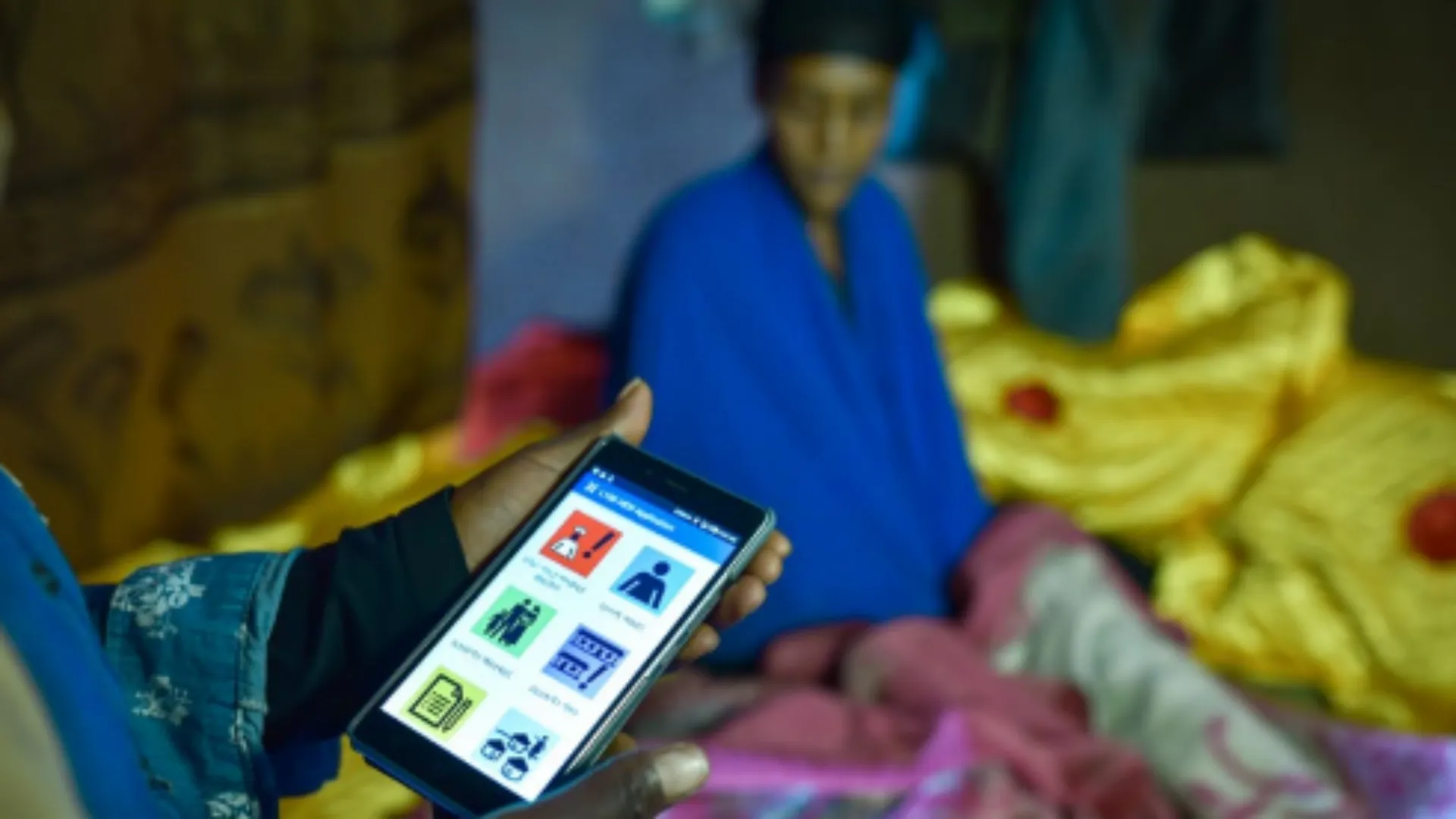
In 2025, CIFF continued to work with the Government of Ethiopia for the fifth year in a row on the scale up of eCHIS – electronic Community Health Information Systems. CIFF has supported the deployment of eCHIS to support health workers by replacing and upgrading reporting systems with tablets to improve time efficiency, reduce duplicative and intensive data entries and ultimately strengthen the quality of health data. In the 5 years that CIFF has supported this programme, it has been deployed in over 2,000 health posts, reaching over 2 million households. The impact of this work can be found through improvements in health servicing, such as for child and maternal care. For example, 70% of children were found to receive all vaccinations in areas with eCHIS compared to 55% in non-eCHIS ones.
CIFF looks forward to continuing support for the adoption of eCHIS through ongoing training of health workers and developing a scale-up and sustainability plan in collaboration with the Ministry of Health to help ensure that this technology can support everyone. Across all our technology work – it’s crucial that the tools and data systems are secure, safe and locally owned which prioritise impact and equity.
.svg)
Evidence, measurement and impact
CIFF is driven by demonstrable end impact and tangible progress towards a world where all children can flourish. This is embedded across every charitable investment we make to ensure we hold ourselves and partners accountable to the children and communities we serve. From evidence-led planning to continuous measuring and monitoring and ultimately evaluating and learning – we continued to embed this full lifecycle of impact-led work throughout 2025.
For example, last year, CIFF’s Impact Knowledge Hub, in collaboration with the Nutrition team, continued to support the African Leaders Malaria Alliance (ALMA) to strengthen country-led accountability systems that turn global goals into actionable national priorities. This is measured through scorecards which enable government and regional leaders to use routinely collected health data to monitor progress against SDG-aligned indicators, identify bottlenecks and hold themselves accountable for action and results.
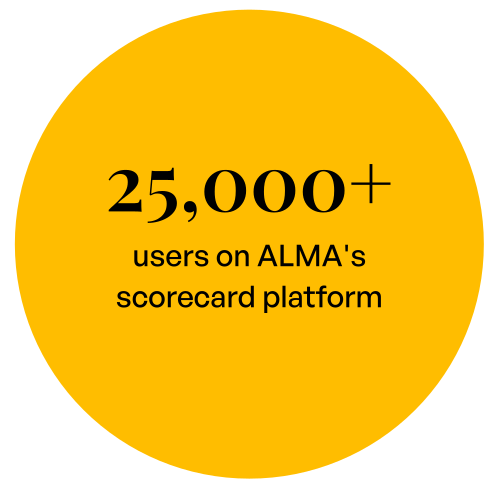
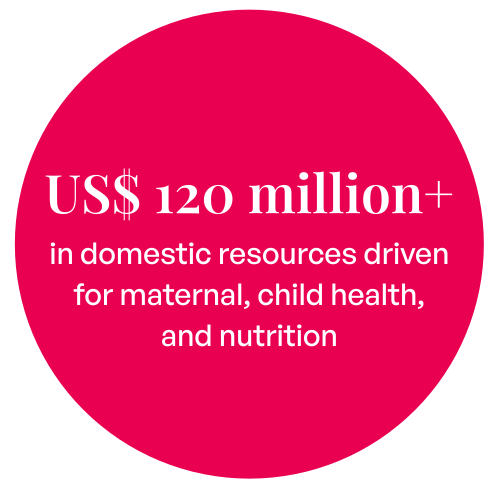
In 2025 specifically, ALMA has worked with parliamentarians to ensure they are able to effectively use these tools and currently has over 25,000 users on their scorecard platform. As a result, ALMA has successfully scaled to support over 40 countries in using national scorecards and has helped drive more than US$120 million in domestic resource allocation for reproductive, maternal, newborn and child health and nutrition in the past 18 months. This demonstrates how better data and knowledge can help improve health systems and impact the lives of children and communities at a large and systemic scale.
.webp)